
OUR APPROACH
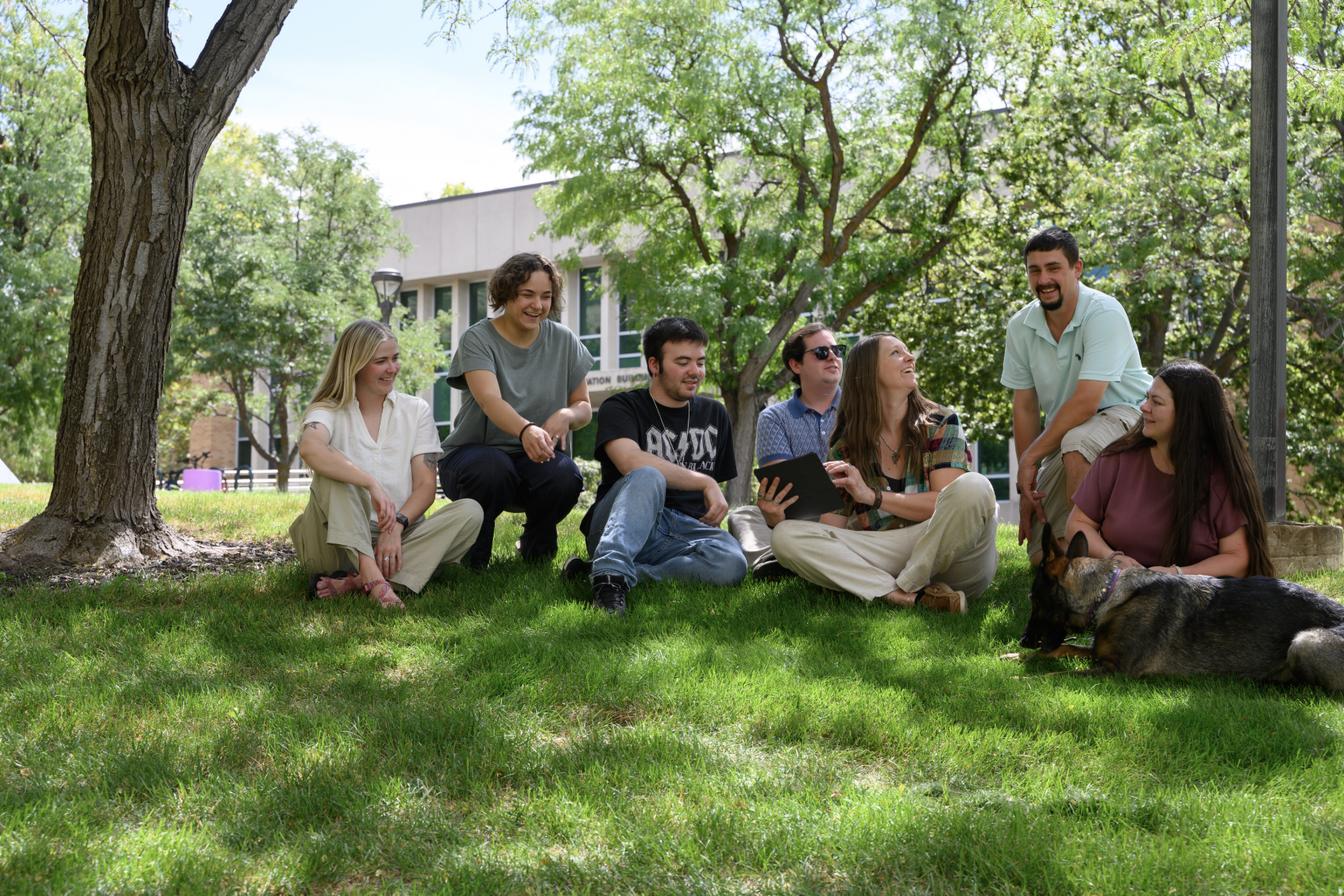
Building an adult life takes practice.
RELATIONSHIPS AT THE CENTER
We want to earn the right to have influence.
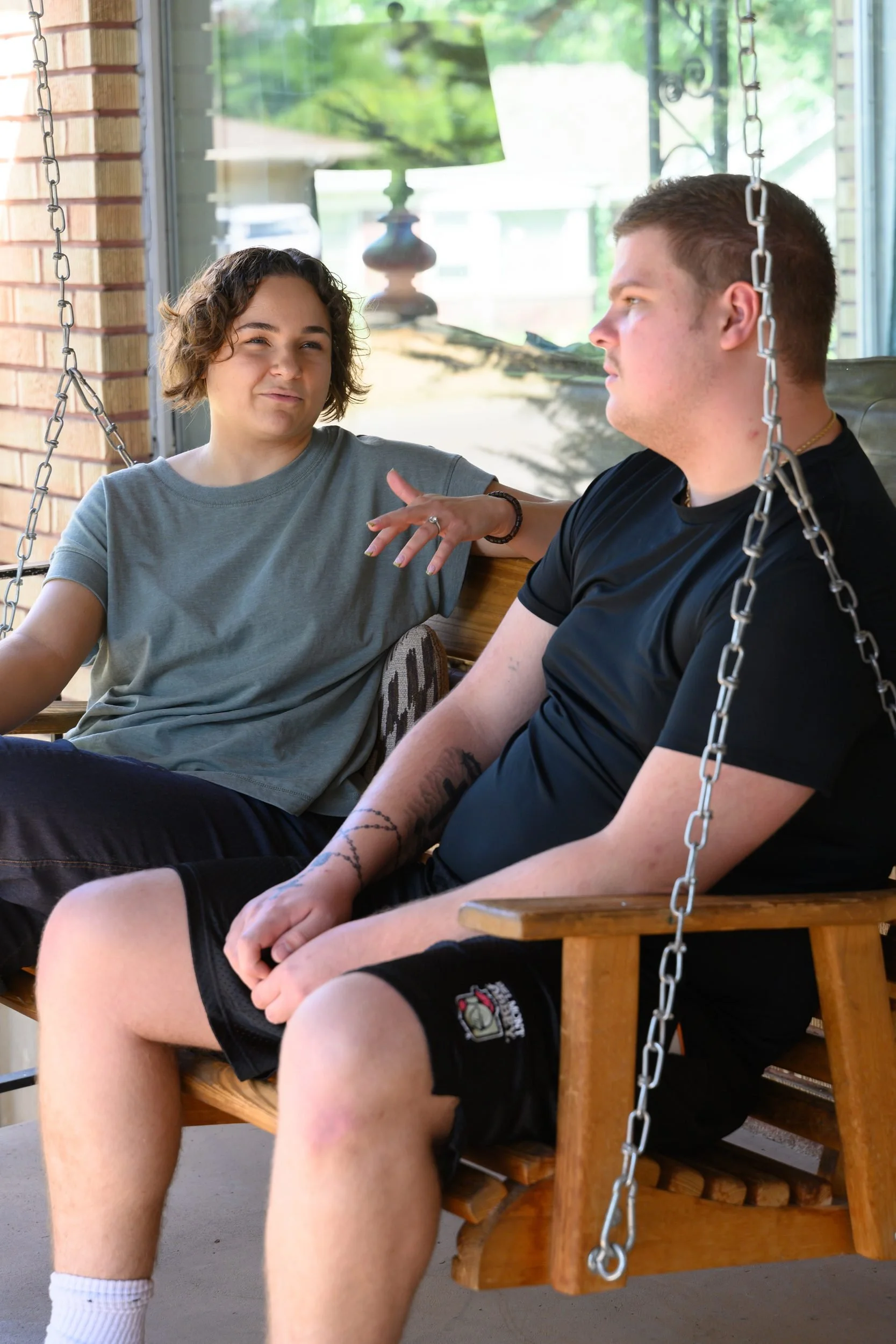
One of Echo’s oldest guiding principles is that growth happens within relationships. Other people become mirrors. Through them, young adults learn how they respond to feedback, disagreement, and disappointment, and how to communicate, take responsibility, and repair.
Mentors, therapists, and program managers work to build genuine, respectful relationships. We don’t assume a professional title gives us the right to influence someone’s life. We want to earn that influence.
Sometimes mentoring means preparing for an interview. Sometimes it means sitting together after a difficult interaction and asking, “What happened there?” When a young adult feels known and respected, honest feedback can land differently.
WHERE WE BEGIN
We start with curiosity.
Some young adults know what they want but struggle to put the pieces together. Others feel overwhelmed by the question, “What do you want to do with your life?” We don’t assume they aren’t trying hard enough.
We want to understand who they are, what matters to them, where they feel capable, and what gets in their way.
Then we begin there.
A FRAMEWORK FOR GROWTH
Four areas that shape adult life.
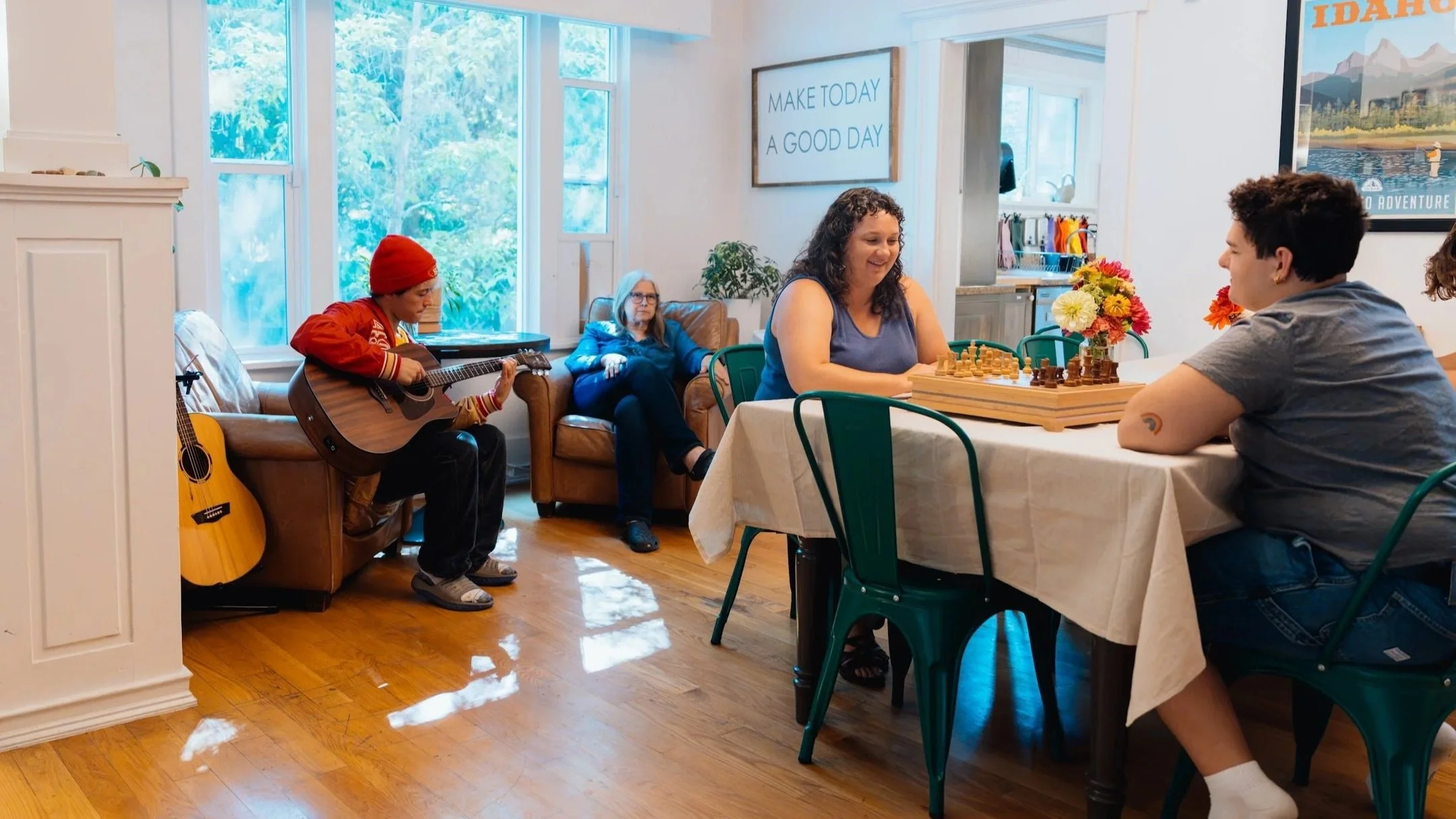
Echo’s developmental curriculum is organized around four connected areas of adult life. Emotional regulation affects relationships. Sleep and nutrition affect mood and focus. Organization affects school and work. We help young adults understand how these parts of life fit together and build practices, relationships, and systems they can sustain.
-

Emotional Health
Learning to recognize emotions, beliefs, and patterns; respond to stress; and care for physical health. Sleep, nutrition, movement, and daily habits matter because they affect how we feel and function.
-

Social Health
Learning to connect, communicate, and belong to a community while remaining yourself. Friendships, family relationships, boundaries, feedback, disagreement, and repair all become part of the practice.
-

Practical Life Skills
Learning how to run your life: cooking, budgeting, scheduling, appointments, and everyday responsibilities. The work includes finding routines and systems you can actually use and sustain.
-

Educational & Vocational Development
Exploring what you want to do next and how to move toward it. College, work, training, and volunteering offer ways to discover interests and develop skills that make participation sustainable.

IN THEIR OWN WORDS
"I cannot thank everyone on the Echo Springs staff enough for sticking with our son through all the ups and downs - helping him gain confidence, independence, articulateness, and bring out all his best qualities that I knew were there."
- ECHO SPRINGS PARENT

FROM SUPPORT TO OWNERSHIP
Support changes as confidence and capability grow.
01
Understand
We begin by getting to know the young adult and helping them understand their strengths, patterns, relationships, interests, and where support may be useful.
02
Practice
Daily life becomes a place to experiment. School, work, friendships, and managing a schedule bring opportunities to make choices, face setbacks, ask for help, adjust, and try again.
03
Take Ownership
Participants gradually take more responsibility for decisions, schedules, and commitments. The work becomes understanding and managing what once required someone else’s help, including knowing when to reach for support.
PREPARING FOR LIFE BEYOND ECHO
Independence does not mean doing everything alone.
Healthy adults don’t do everything alone. They depend on friends, families, coworkers, professionals, and communities. They learn to contribute to those relationships, too. At Echo, we call this interdependence: increasingly taking ownership of your own life while knowing how and when to reach for other people.
That takes practice in ordinary life: managing a week, keeping appointments, balancing work and relationships, recognizing patterns, and figuring out what support actually helps.
The measure of success isn’t how perfectly someone completes Echo’s curriculum. It is whether what they’ve learned begins to travel with them into their own life.
ONE APPROACH, THREE SETTINGS
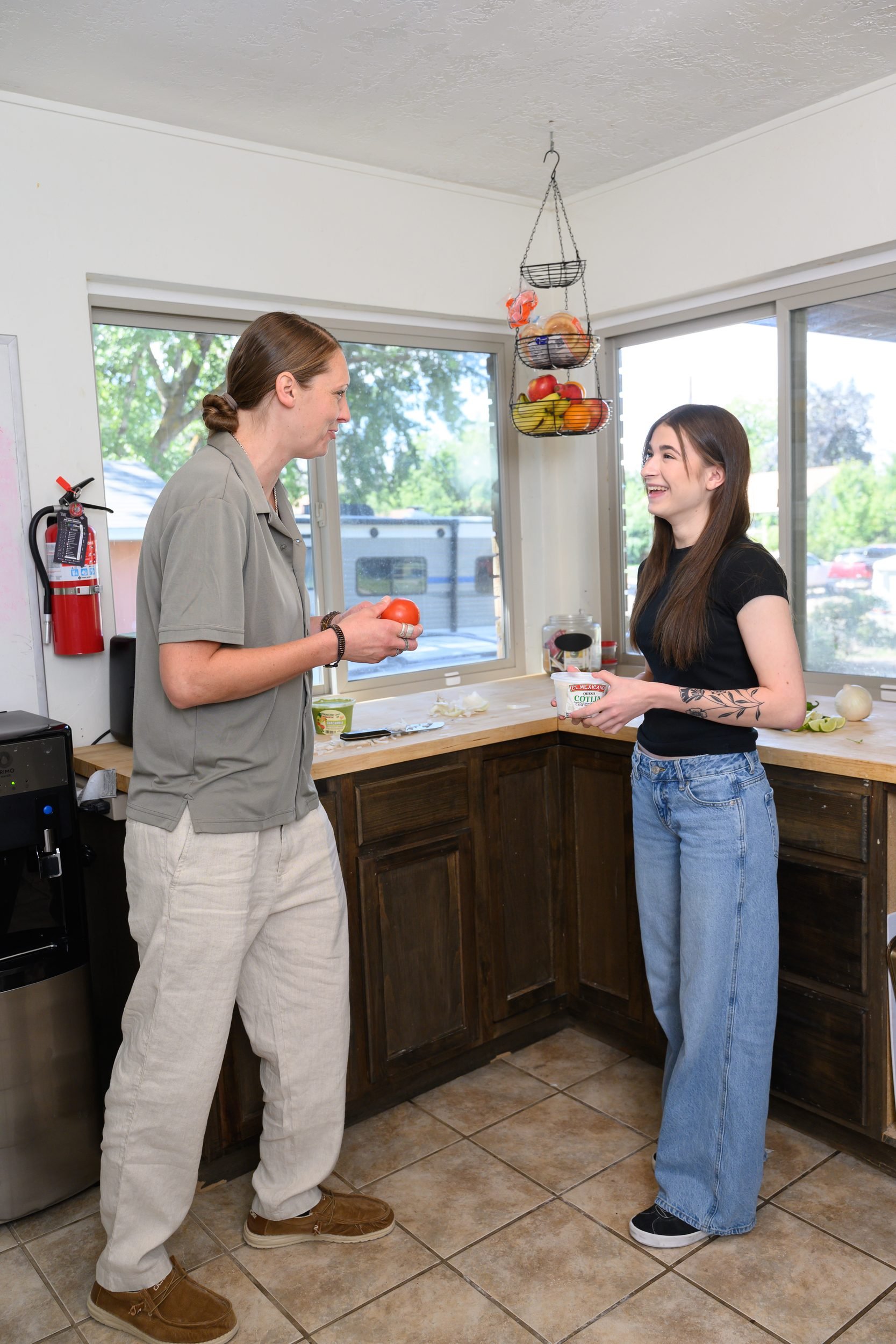
The same foundation, shaped by each place.
Echo’s approach looks different in Coeur d’Alene, Ogden, and Portugal. Each program uses its community, people, and opportunities in its own way, while sharing our developmental philosophy, curriculum, and commitment to young adults.