
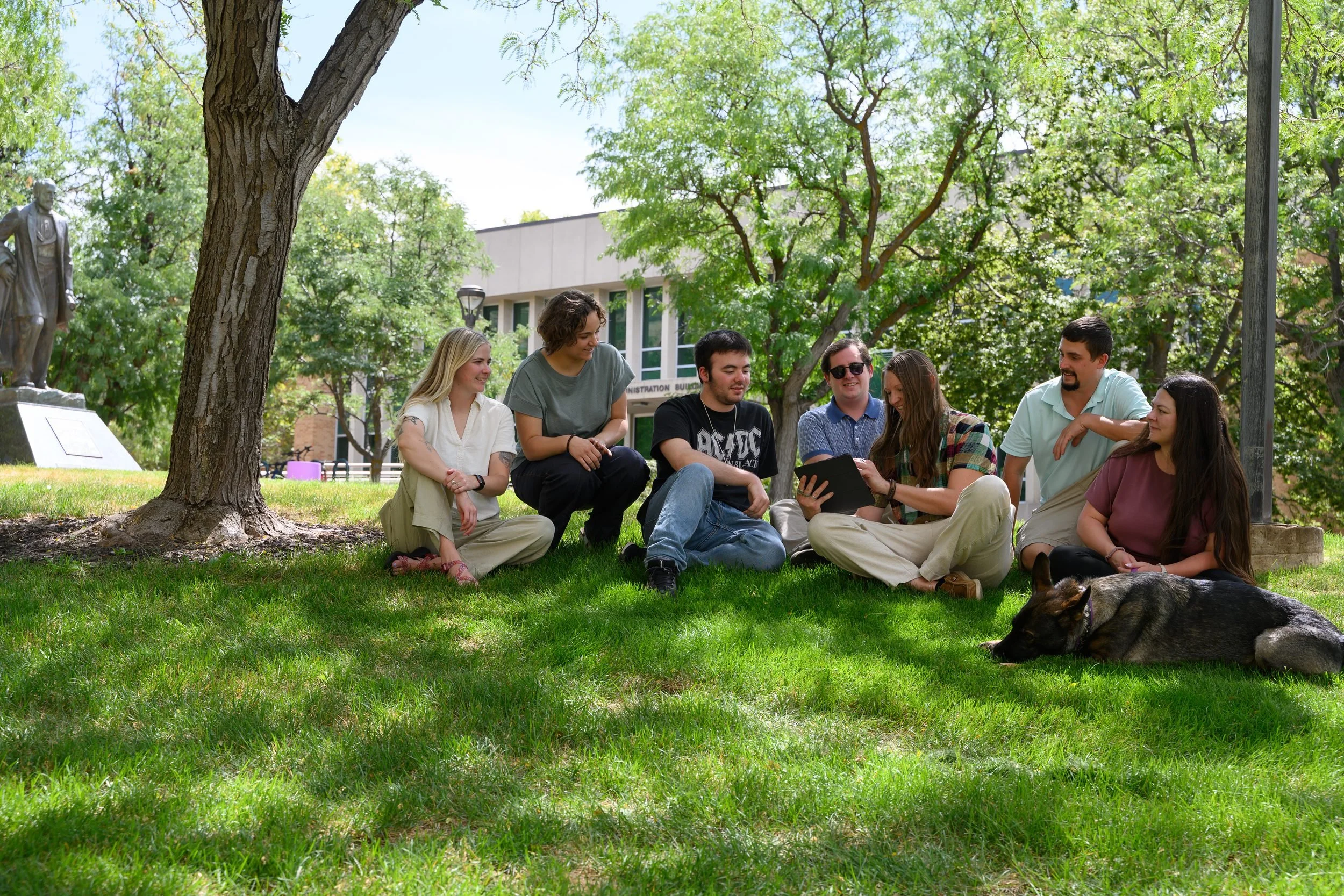
A smaller community with room to find your way.
Fast Facts
Location
Ogden, Utah
Ages
17–28
Support
Team on-site approximately 12 hours daily, with 24/7 on-call availability
Nearby education
Weber State University and Ogden Technical College

OGDEN, UTAH
Adulthood requires both freedom and responsibility. Echo Utah gives young adults a place to practice both.


BEYOND THE ECHO HOME
Ogden offers a lot of doors to walk through.
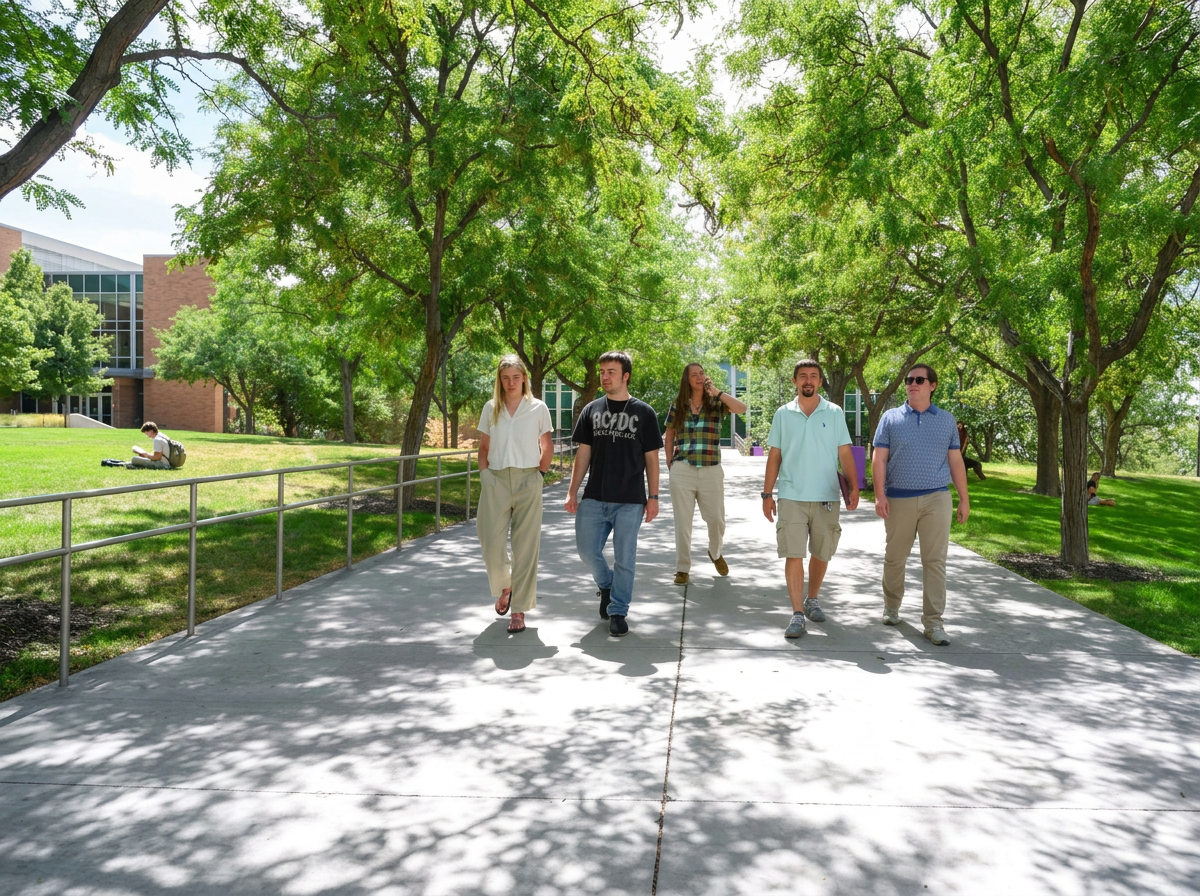
The main Echo home is one block from Weber State University, where young adults can explore classes, clubs, arts, recreation, and campus life. Ogden Technical College offers another path through trades and career training. Jobs, volunteer organizations, music, gaming communities, and local events offer other places to connect.
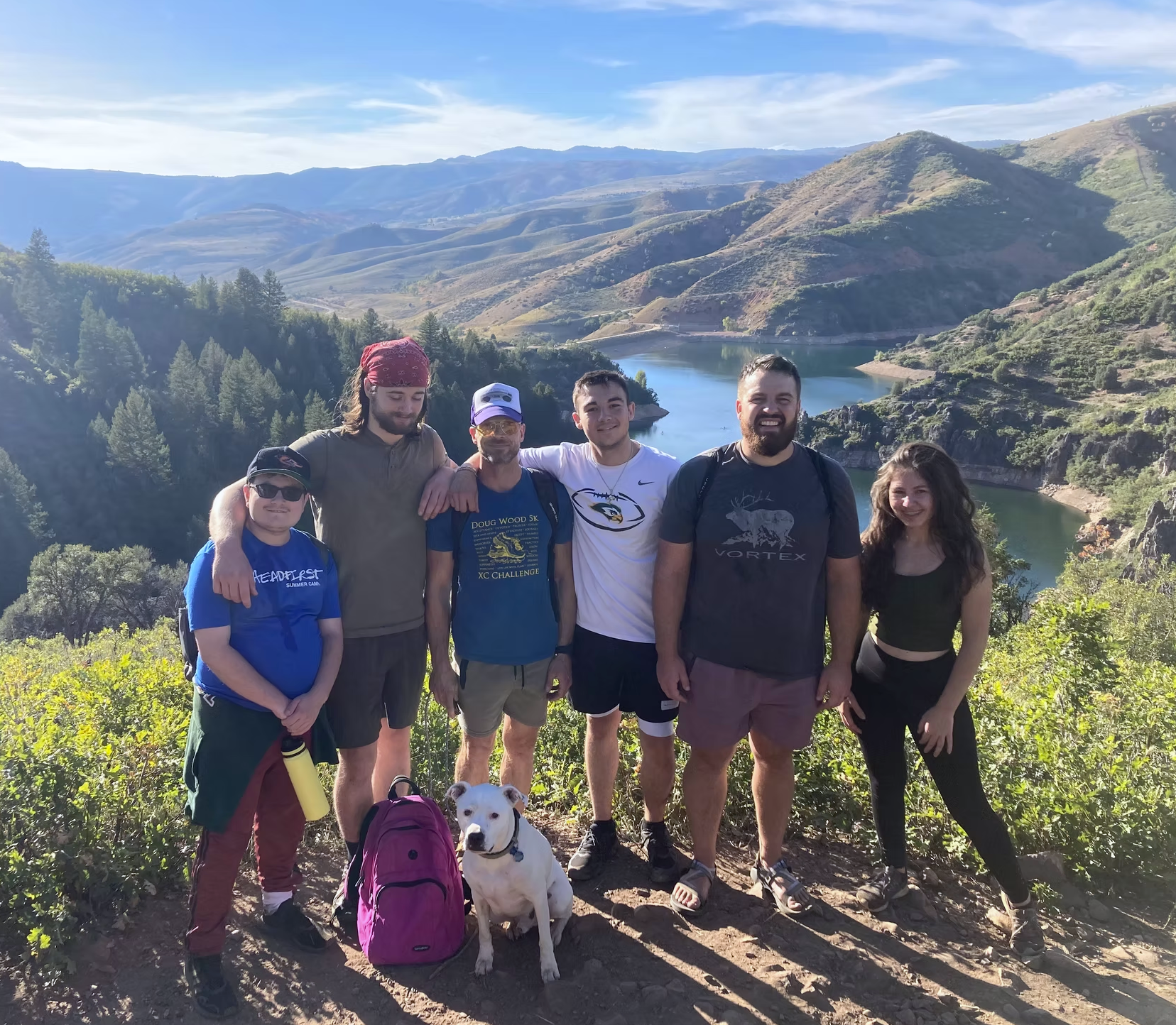
A bus stop minutes from the home makes it possible to practice getting to class, work, or time with friends. The Wasatch Mountains are nearby, with hiking and biking trails within walking distance. Participants can explore what interests them, find people they connect with, and begin building a life in Ogden that feels like their own.
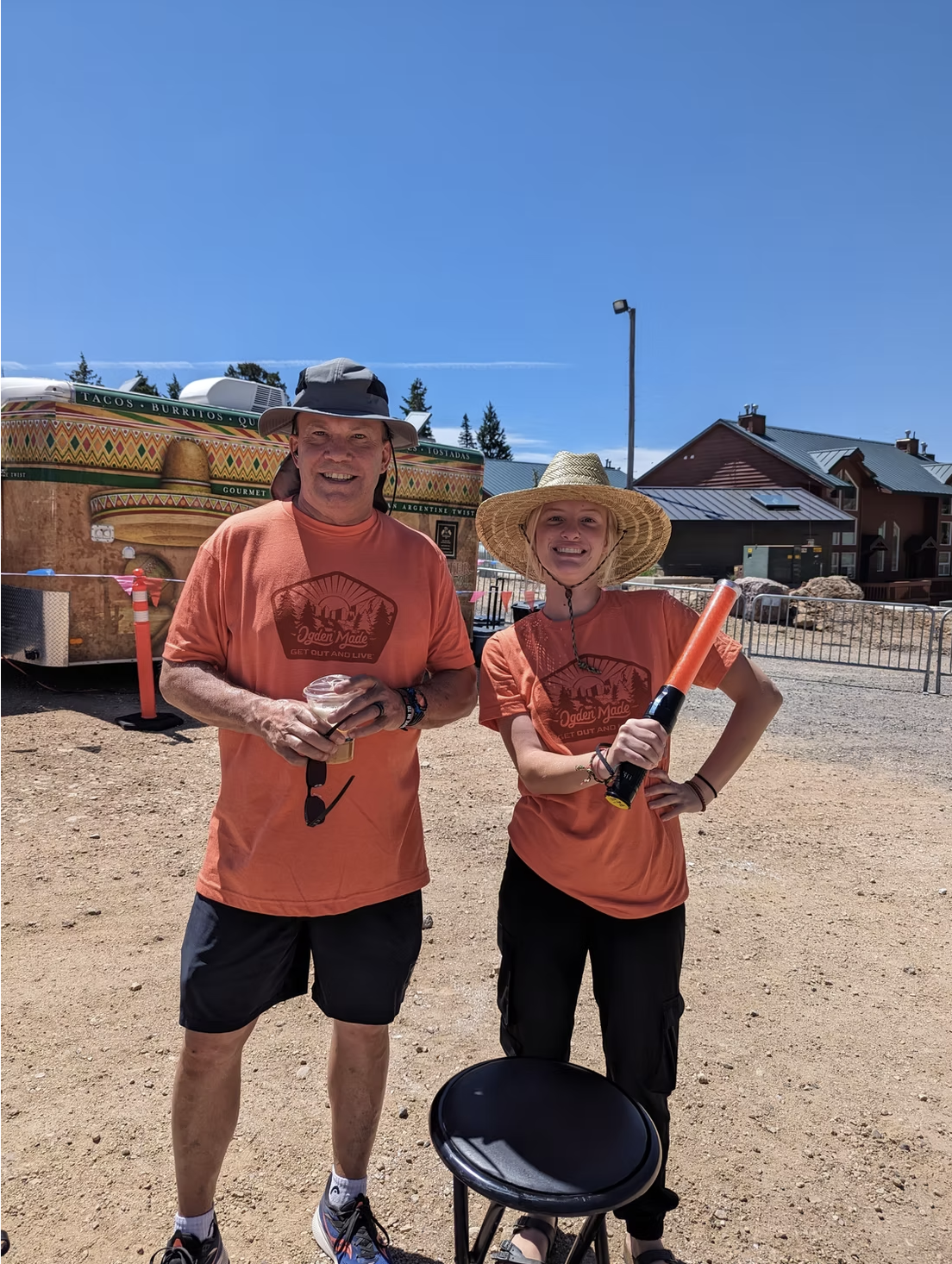

A GRADUAL TRANSFER OF RESPONSIBILITY
Support that changes over time.
-
The Main Echo Home
Participants start with daily mentoring, therapy, Echo classes, and help developing practical, emotional, and relationship skills. This first stage often lasts about three to six months, depending on individual needs and progress.
-
The Home Across the Street
When they’re ready, participants may move into a second home directly across the street, with less oversight and continued daily mentor contact. They manage more of their schedules, money, and household responsibilities. Mock rent payments can be saved toward future housing or other needs.
-
Community Living
Participants may eventually move into an apartment or another community home, managing more of daily life while continuing to receive Echo support that fits their needs. Work, education, relationships, and community increasingly become their own.
WHAT A WEEK CAN INCLUDE
There is a rhythm to life at Echo Utah.
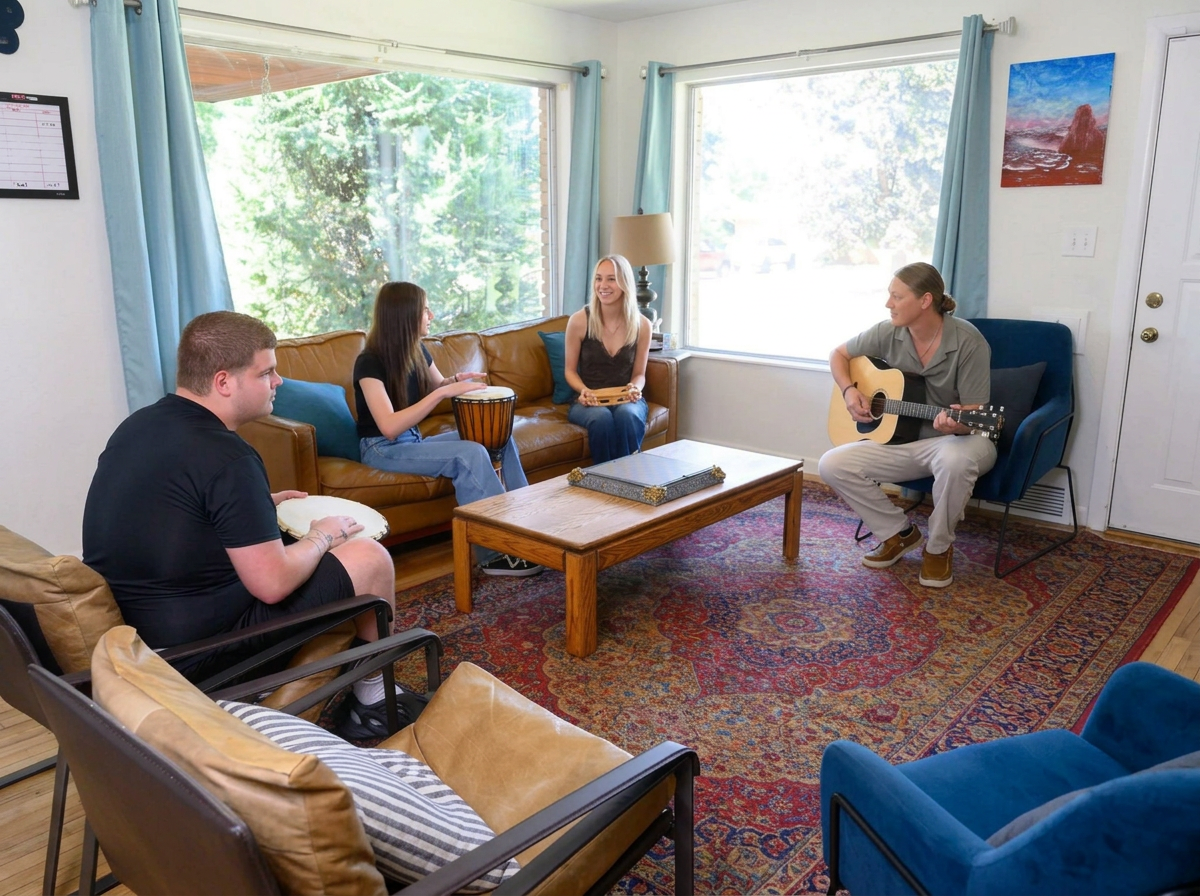
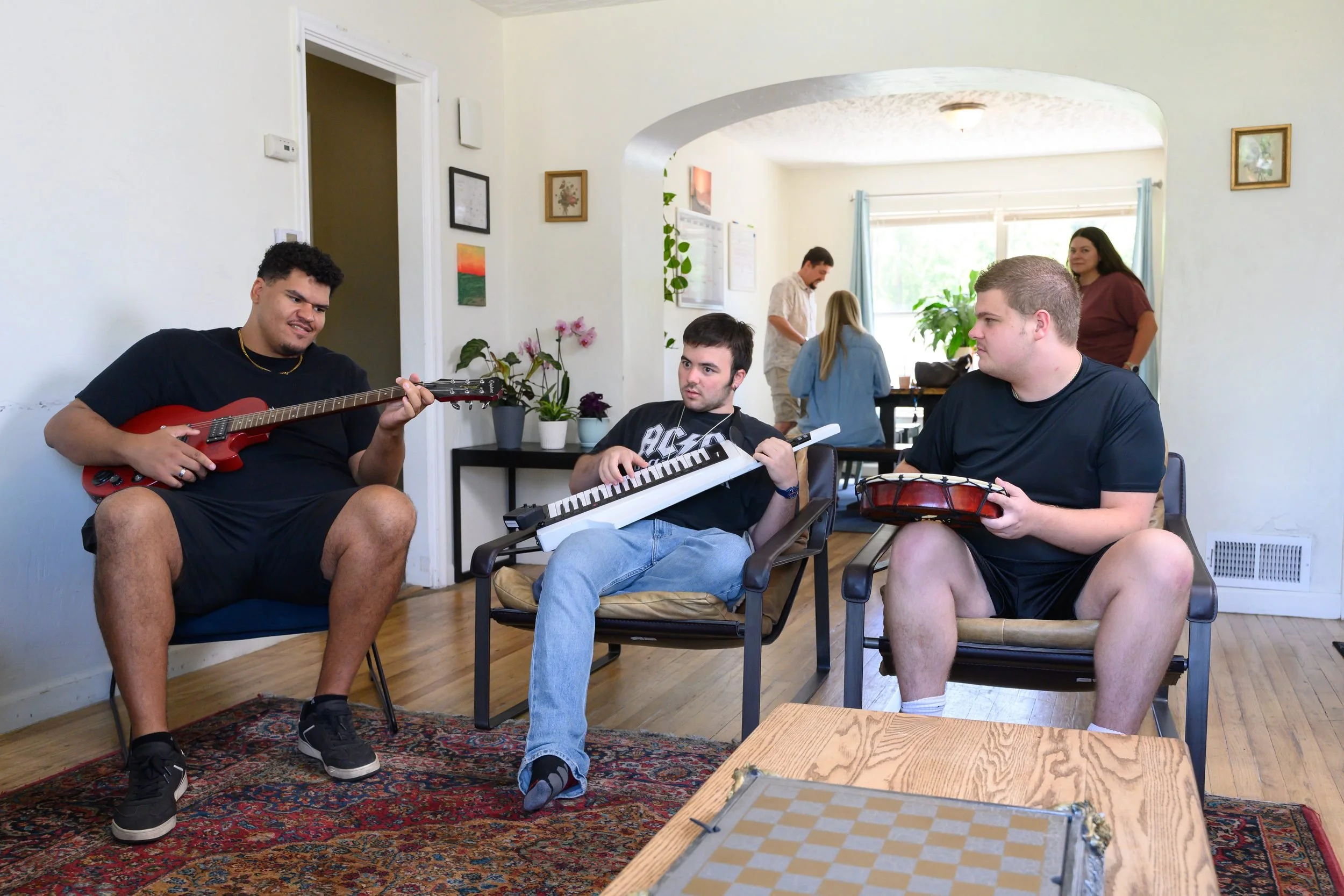
A participant’s week may include:
Daily contact with mentors and one-on-one mentoring time
Three to four Echo classes most weeks
Individual therapy and family work when appropriate
Two weekly feedback circles
Study hours, education, or employment
Grocery shopping, shared meals, and home responsibilities
Community-based groups, recreation, and volunteering
Friendships, interests, and time to make their own plans

There is dependable structure here, especially at the beginning, along with time participants learn to manage for themselves.
A budgeting class might become a conversation about an actual checking account. A Weber State student may plan assignments with a mentor, while someone else works on job applications or practices a bus route. As participants grow more confident, they begin making more of those plans themselves.

CLOSE, CONNECTED SUPPORT
Being small gives us time to pay attention.
Mentors can sit beside someone while they work through college assignments, prepare for an interview, practice a bus route, or walk into a new social setting. They can notice where things become difficult, try another approach, and stay involved as new skills become more consistent.
Clinical work is part of that picture. Utah’s model anticipates approximately two individual therapy sessions each week, with support adjusted to a participant’s needs and family therapy when appropriate.
Mentors, therapists, and program leadership meet for two hours every week to share what they are seeing. Those conversations continue throughout the week, bringing together what happens in therapy, in the home, at school, at work, and with peers.
BUILDING A LIFE IN THE COMMUNITY
Discover what interests you. Then try it.
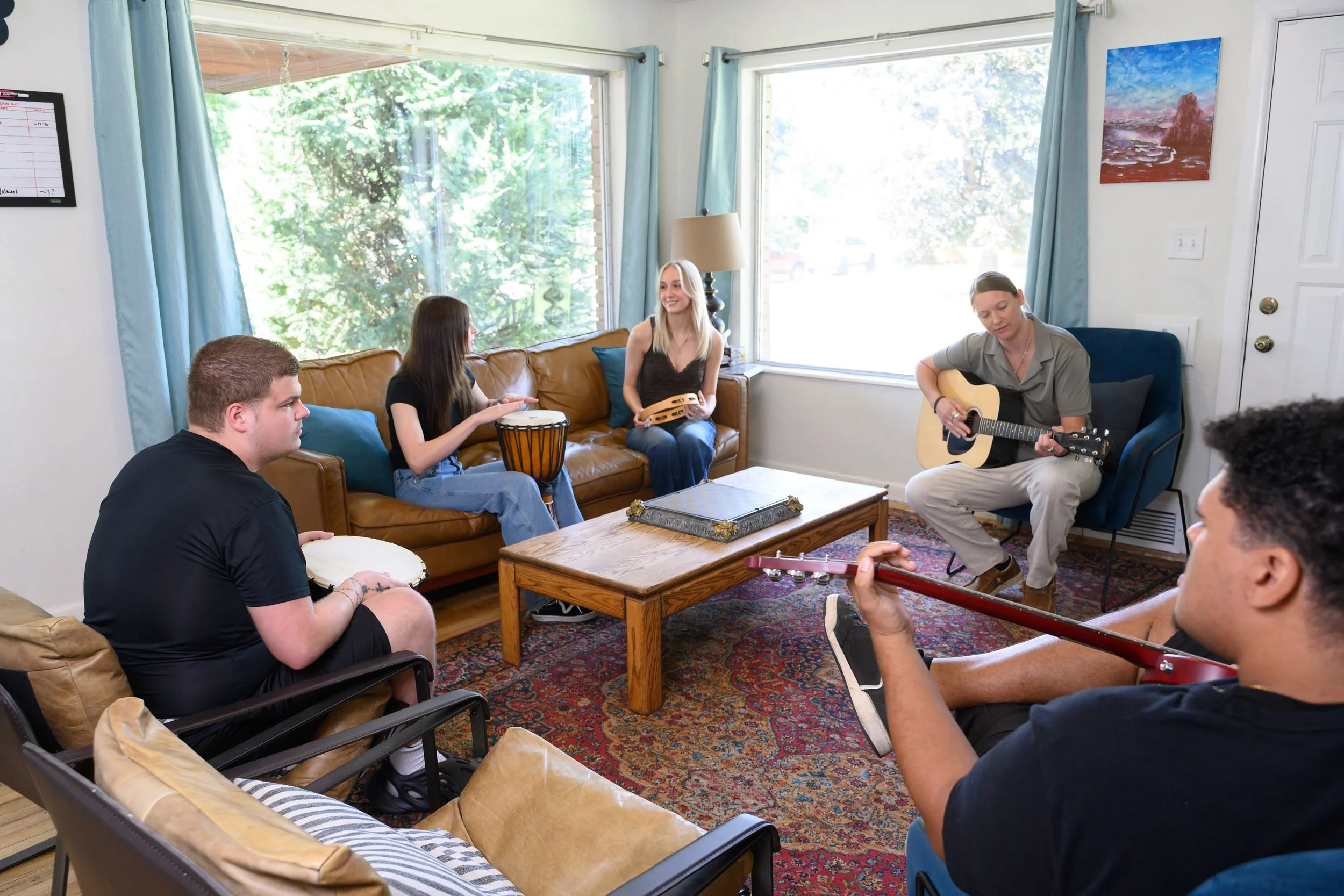
One young adult might explore classes at Weber State or a technical program. Another might begin working, volunteering, or finding the confidence to join a club or activity. Music, art, fitness, gaming, and outdoor recreation can all be starting points for friendships and new interests.
Mentors help with the practical steps: applications, study plans, interviewing, transportation, and navigating unfamiliar places or social situations. With experience, participants take more ownership of their goals and the routines that help them follow through.
They don’t have to arrive knowing what they want their adult life to look like. Helping them begin to discover that is part of the work.

GALLERY
Life at Echo Utah.

BELONGING AT ECHO AND BEYOND
Community is part of how people grow.
Echo Utah is intentionally small, giving participants time to get to know one another. In twice-weekly feedback circles, they practice speaking honestly, listening, working through disagreement, and staying connected when a conversation gets uncomfortable.
Young adults arrive with different histories and interests. A peer may offer something both honest and caring: “I see you. I care about you. I think you need to look at this. And I’m still here.”
There is room to belong beyond Echo, too.
A participant might find their people through a university club, community event, volunteer opportunity, or shared interest. Mentors can help make an introduction or go with someone the first time. As confidence grows, young adults make more of those connections themselves.
IN THEIR OWN WORDS
"The ease with which your students talked about their personalities and their ability to contextualize other people's actions was truly astonishing.That level of introspection will serve them so well for the rest of their lives."
- EDUCATIONAL CONSULTANT
THE PEOPLE
Get to know the people behind Echo Utah.

A DISTINCT ECHO EXPERIENCE
Freedom to explore, with support close by.
Echo Utah may be a good fit for a young adult who can safely manage some autonomy but needs strong relationships, clinical support, and help creating routines they can sustain.
Some participants arrive after more intensive treatment and are ready for greater freedom. Others have been living at home and need more structure and encouragement to move forward. Here, they have people paying attention, time to practice, and opportunities throughout Ogden to discover what matters to them.
The schedules, interests, relationships, and responsibilities become increasingly their own. That balance of freedom, support, accountability, and community is what Echo Utah is designed to provide.